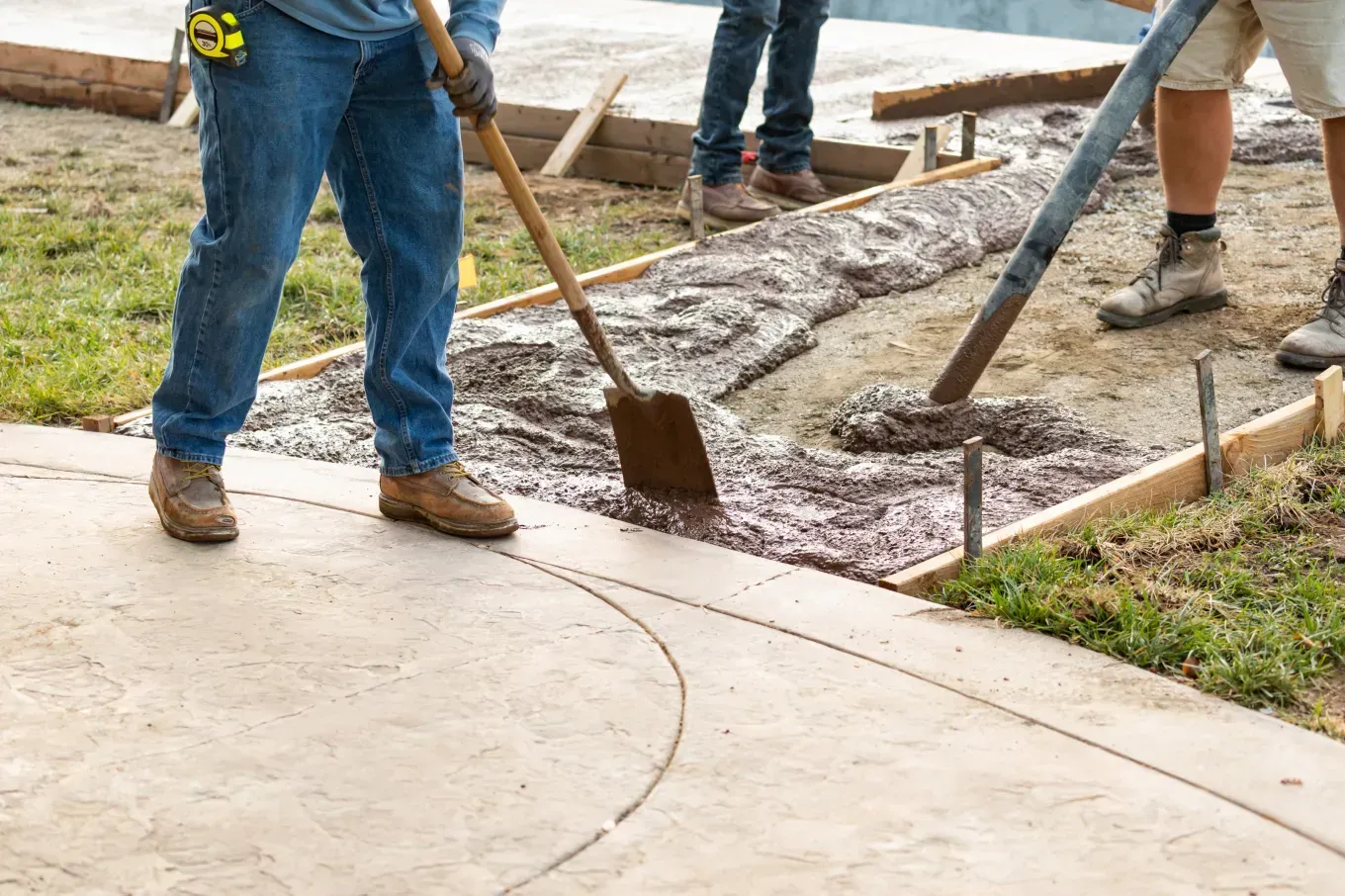
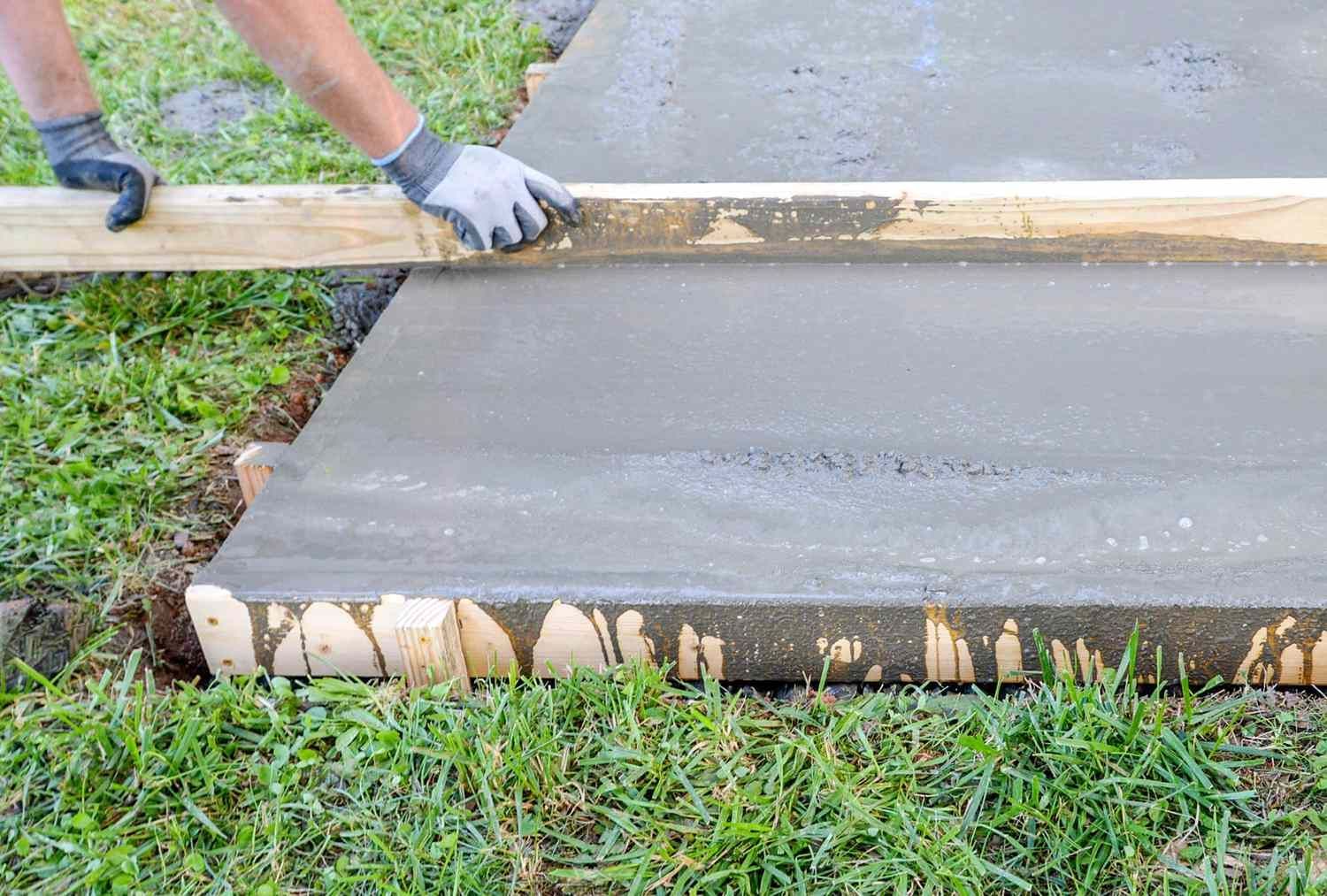
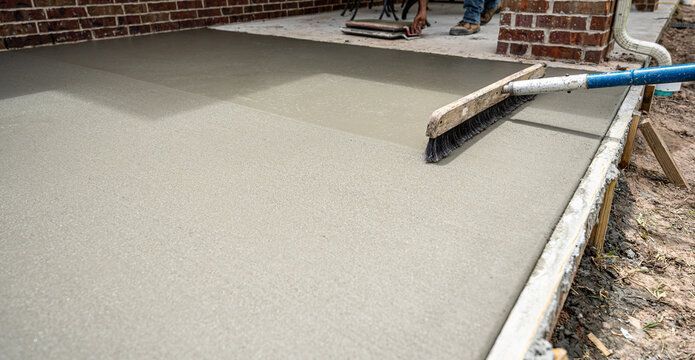
Control joints are the most effective tool. When concrete contractors cut or form those straight lines you see in sidewalks and driveways, they're not decorative. Those are control joints — intentional weak points that guide cracking to happen in a straight, predictable line rather than randomly across the surface. A properly placed control joint gives the slab somewhere to crack that doesn't compromise the structure or look terrible. The general rule is joints every 8 to 10 feet for a 4-inch slab, though thicker slabs can go further. If you're getting concrete poured and the crew isn't talking about joint placement, bring it up.
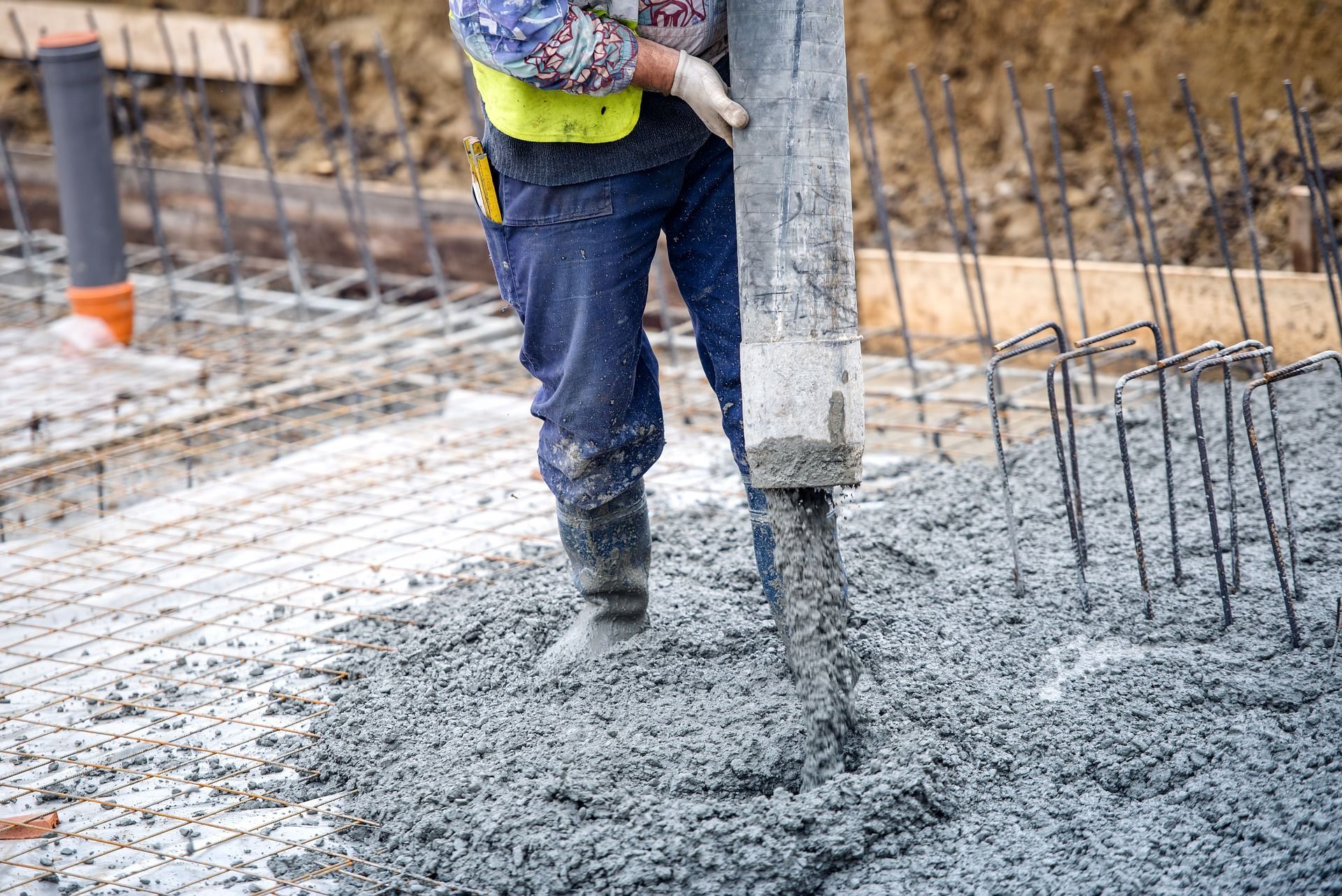
The mix matters more than most homeowners know. Watery concrete is easier to work with, which is why workers on a hot day sometimes add water to the mix on-site. It's also weaker and more prone to cracking. The water-to-cement ratio is one of the most important variables in a concrete pour — lower water content produces denser, stronger concrete that resists cracking better. Fiber reinforcement (small synthetic or steel fibers mixed into the concrete) is another option that improves tensile strength and reduces the severity of cracks when they do form. Wire mesh and rebar serve the same purpose for larger structural applications.
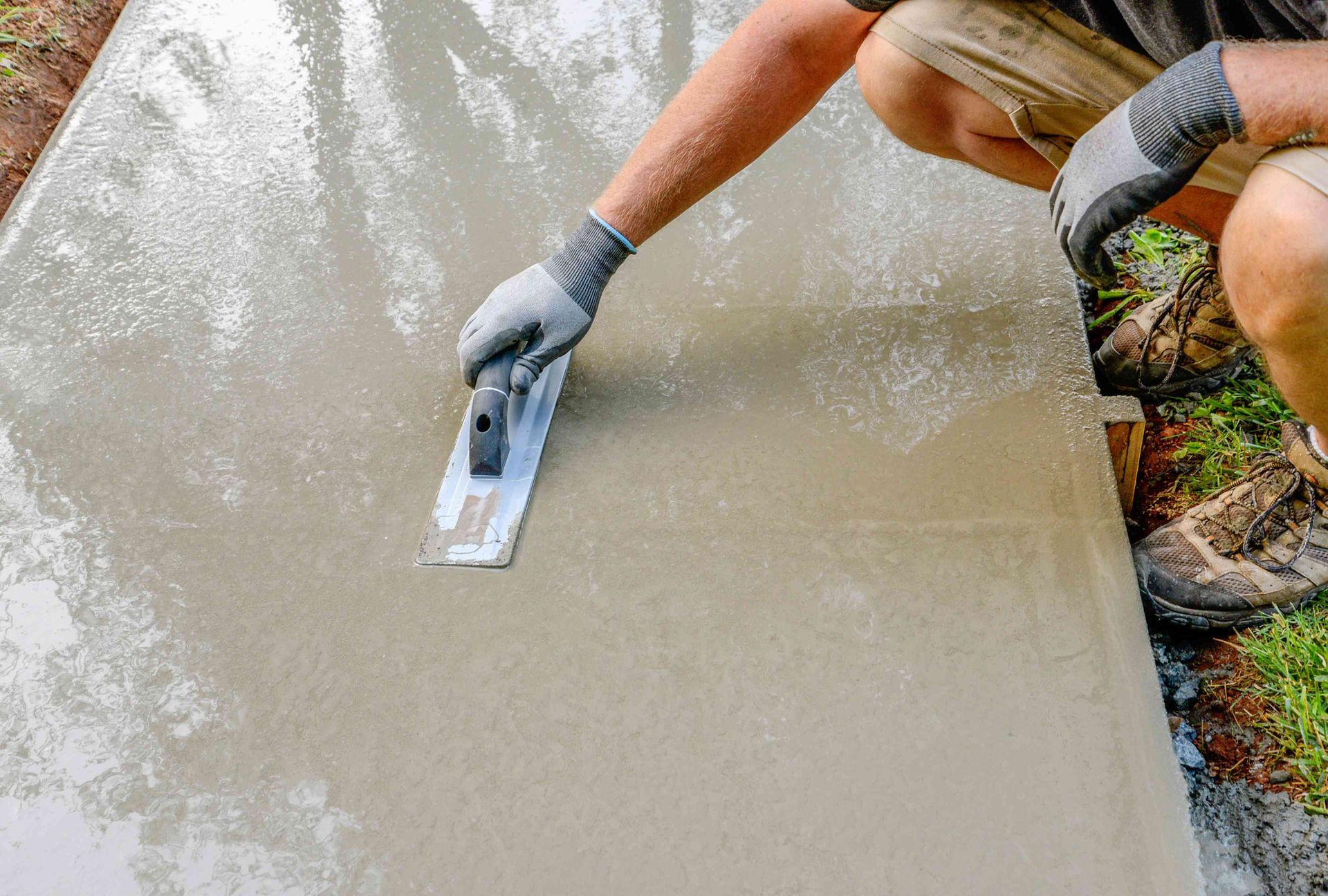
Curing is where a lot of DIY projects go wrong. Concrete doesn't dry — it cures, which is a chemical process that requires moisture to complete properly. If a slab dries out too fast, the surface cures before the interior does, and that differential creates cracking. Keeping the surface moist for the first several days — with wet burlap, plastic sheeting, or a curing compound — gives the concrete time to develop its full strength. This is especially important in hot, dry, or windy weather. A properly cured slab is noticeably stronger and more crack-resistant than one that was left to dry on its own.
The base underneath matters just as much as the concrete itself. A compacted, well-graded gravel base gives the slab uniform support and helps with drainage. Soft spots, clay-heavy soil, or uneven fill are cracking problems waiting to happen — the concrete can only be as stable as what it's sitting on. When a contractor takes time to properly prepare the sub-base before pouring, that's not padding the bill; that's directly reducing the risk of structural cracking down the line.
Understanding why concrete cracks and what prevention looks like doesn't require an engineering degree — it mostly comes down to controlling shrinkage with good mix design and curing practices, controlling movement with proper base prep and reinforcement, and controlling where cracks end up through joint placement. None of these are expensive upgrades. They're just the difference between concrete that's done right and concrete that looks great for a year before the problems start showing up.
If you're planning a concrete project, ask your contractor specifically about control joint spacing, sub-base preparation, and how they handle curing. Those three questions will tell you a lot about the quality of work you're about to get.