
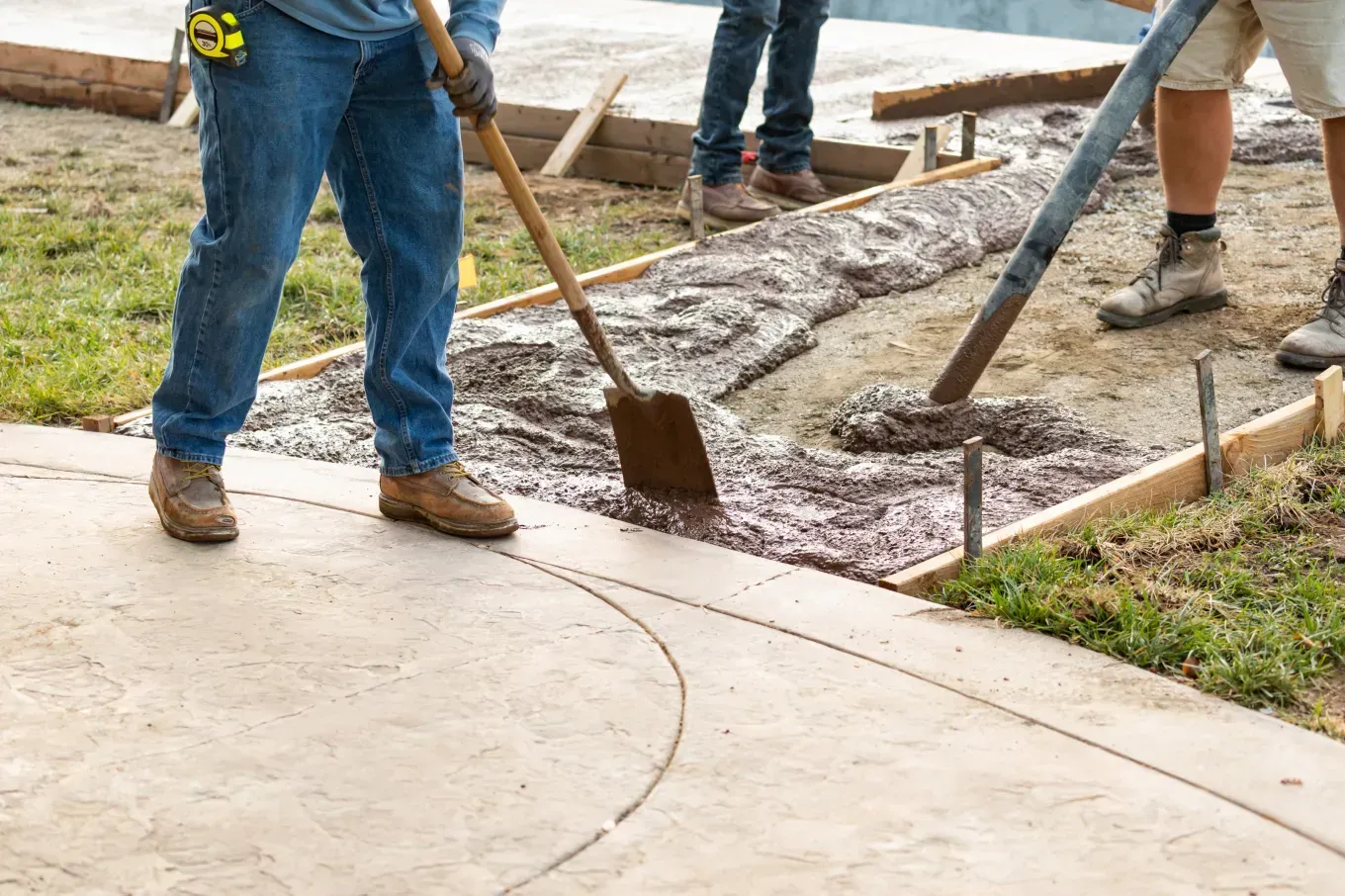
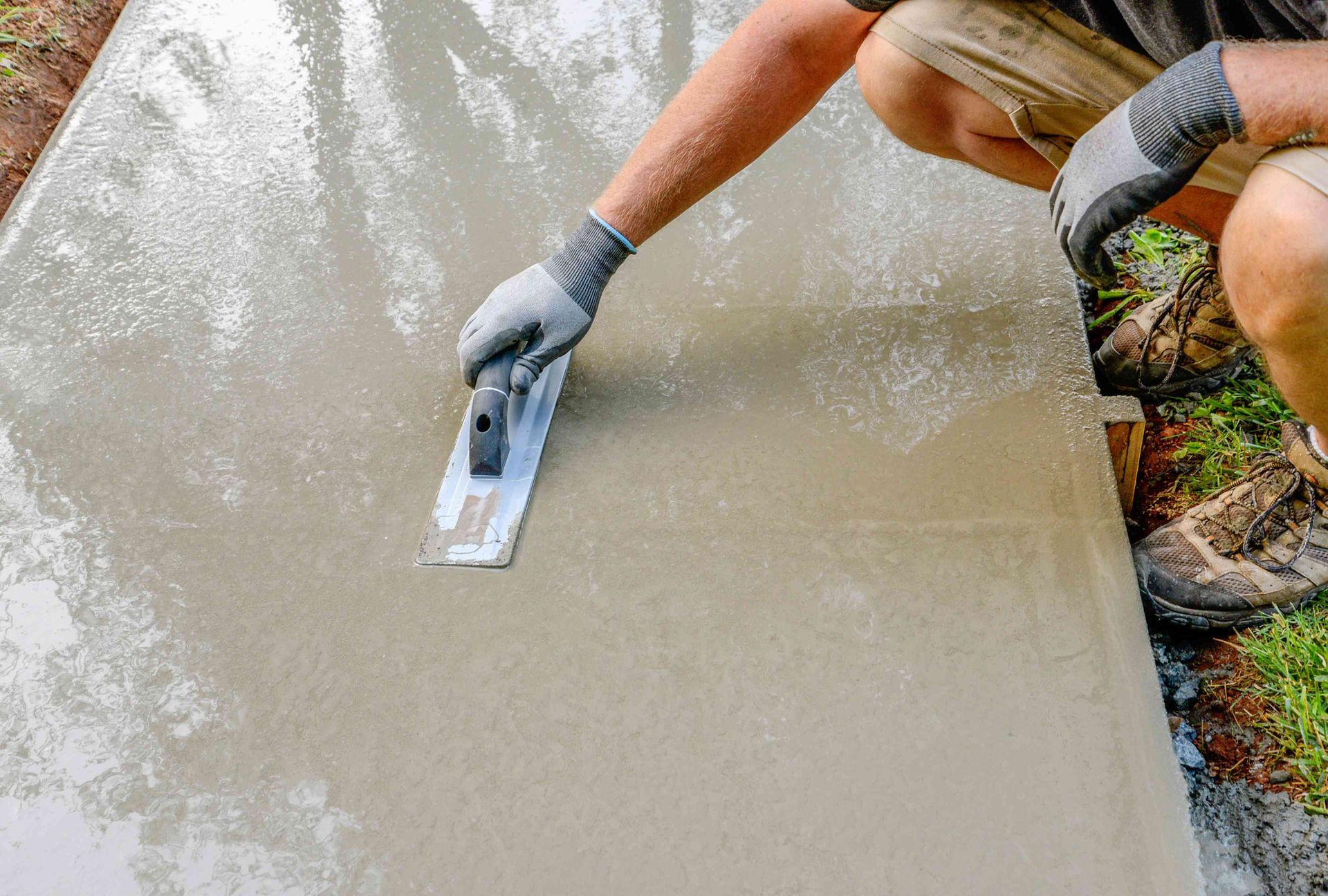
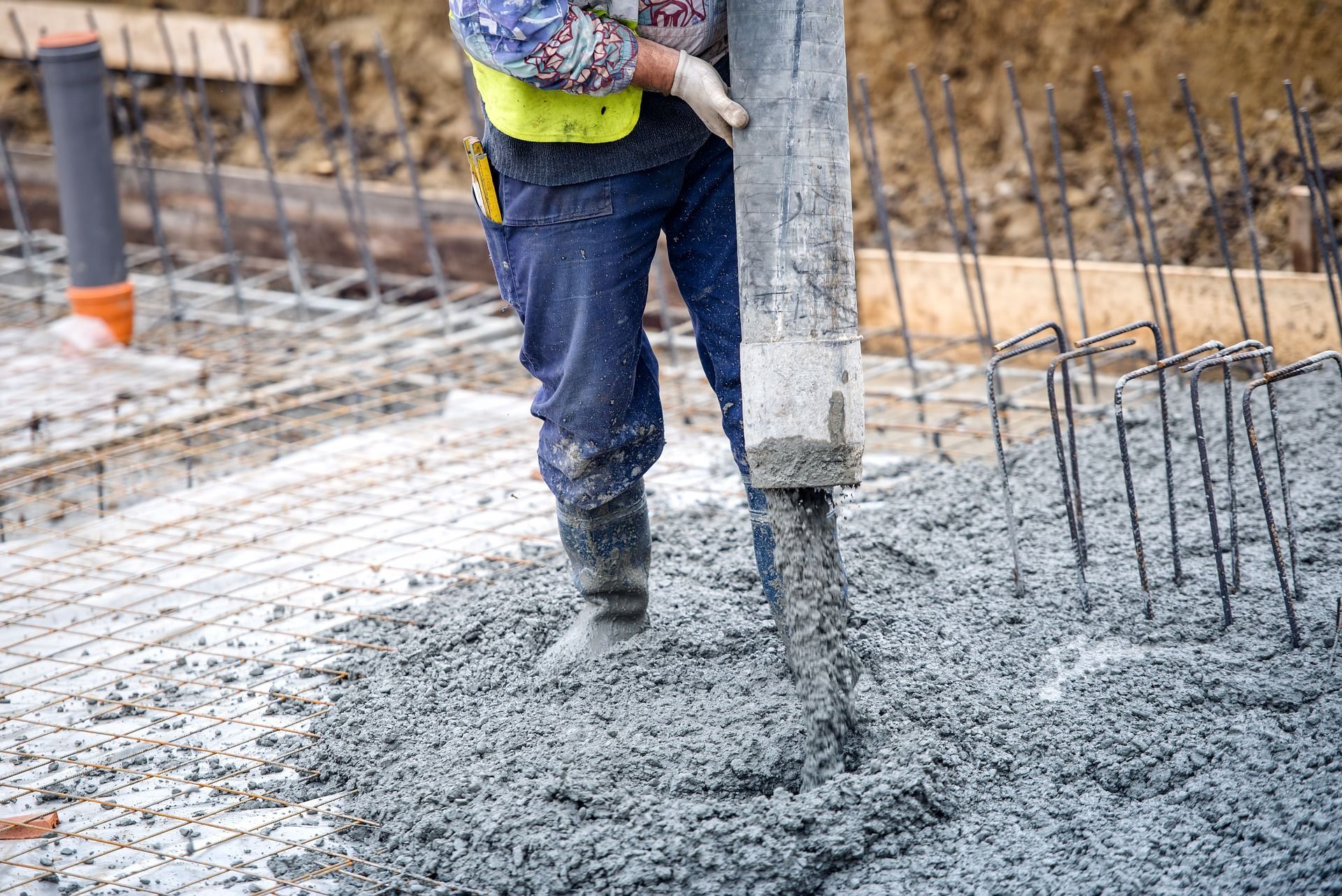
Start with installation, because it determines the ceiling on how long concrete lasts regardless of anything you do afterward. Concrete strength is measured in PSI — pounds per square inch — and residential flatwork should generally be a minimum of 3,000 PSI mix, with 4,000 PSI being a better choice for driveways that will see vehicle traffic. Contractors who use undersized mixes to cut costs are building in failure from day one. Water-to-cement ratio matters too: contractors who add water to make the mix more workable weaken the final product significantly. A proper mix placed at the right consistency and finished by someone who knows what they're doing produces concrete that can genuinely reach the upper end of its potential lifespan. The shortcut version gets you to the lower end.
How Long Does Poured Concrete Last and What Affects Its Lifespan?
The number you'll see most often is 30 to 50 years for a concrete driveway or flatwork, and that's a reasonable central estimate — but concrete's actual lifespan varies so much based on installation quality, climate, maintenance, and use that the range is almost more useful than the average. Well-installed concrete in a mild climate that gets basic maintenance can last 50 years without significant intervention. Poorly installed concrete in a freeze-thaw climate with no sealing and heavy use can look rough in a decade and need replacement in 20 years. Understanding what drives that variation tells you more than any single number.
How Long Does Concrete Actually Last? The Honest Answer
Get a Free Quote
Contact Us
Our Services
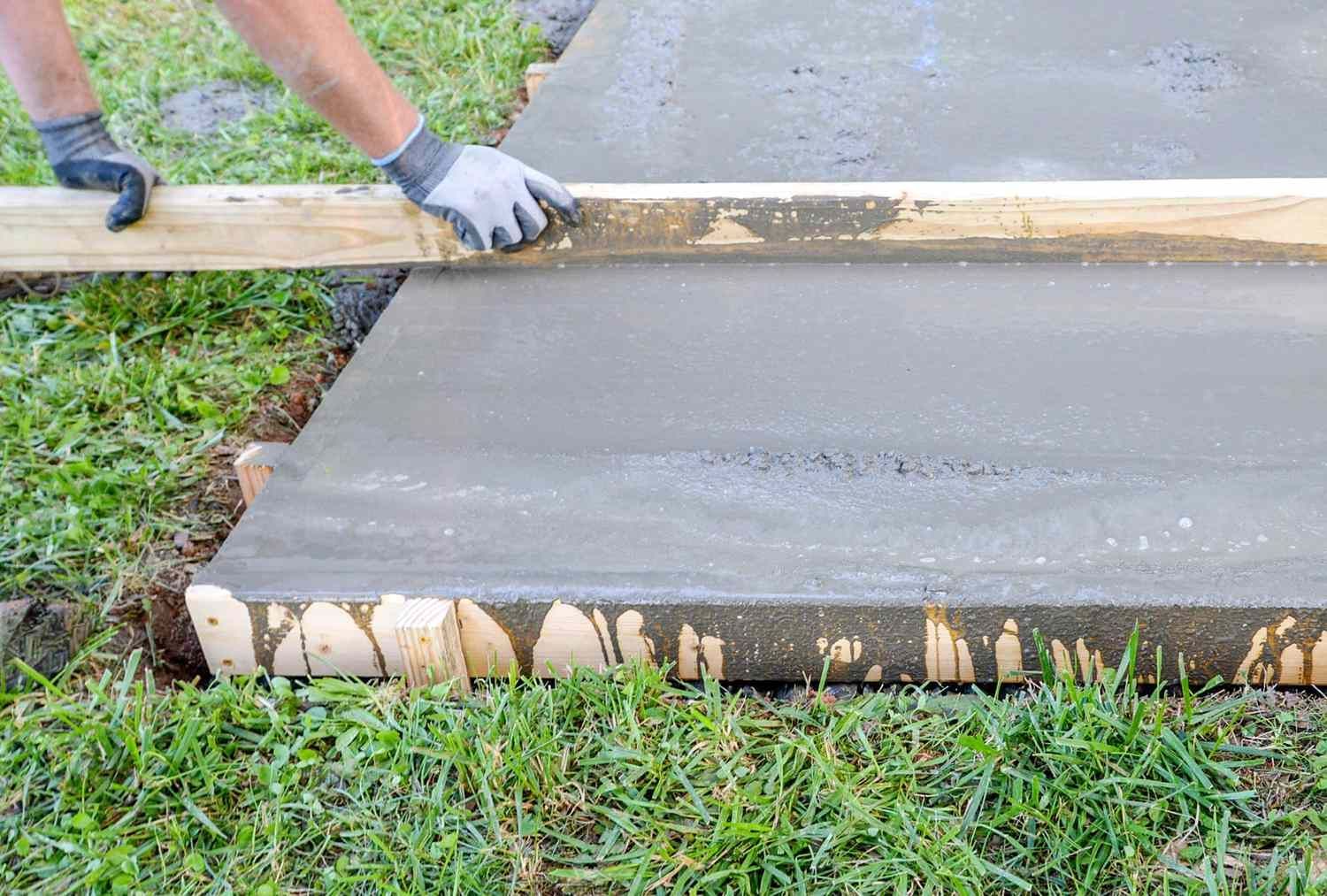
Sub-base preparation is the other installation factor that homeowners rarely see but that determines long-term performance. Concrete needs a stable, well-compacted base — typically 4 to 6 inches of compacted gravel — that provides uniform support and drainage. Concrete poured directly on unstable or poorly compacted soil will settle unevenly, which creates the differential stress that causes cracking. No matter how good the concrete mix is, it can't compensate for a base that moves under it.
Climate is probably the biggest external variable affecting how long concrete lasts once it's installed correctly. Freeze-thaw cycling is concrete's primary enemy. Water infiltrates the surface, freezes, expands, and creates internal pressure that fractures the cement matrix from within. Repeated through dozens of cycles per winter over many years, this produces the spalling, pitting, and cracking that's so common on Northern driveways. Deicing salts accelerate this process significantly — sodium chloride and calcium chloride both damage concrete surfaces, particularly in the first few years before the concrete has reached full cure strength. If you're in a cold climate, sealing your concrete is one of the highest-return maintenance investments you can make, because a good penetrating sealer dramatically reduces water infiltration and therefore freeze-thaw damage.
In hot climates, the dynamics are different but still relevant. Extreme heat and UV exposure don't damage concrete structurally the way freeze-thaw does, but thermal expansion and contraction creates stress at control joints and cracks over time. The good news is that properly placed control joints — the lines cut or tooled into a concrete slab — give it a place to crack in a controlled way rather than randomly across the surface. Concrete without adequate control joint spacing will crack; the question is where. A contractor who spaces joints properly is managing that cracking rather than leaving it to chance.
Sealing is the maintenance lever that most homeowners have the most control over, and it's consistently underutilized. A quality penetrating sealer — silane-siloxane based sealers are the industry standard for driveways — soaks into the concrete surface and makes it dramatically less permeable to water, deicing chemicals, and oils. Application every two to three years in moderate climates, more frequently in severe freeze-thaw environments, adds meaningfully to how long concrete lasts by interrupting the primary damage mechanisms. Surface sealers that sit on top of the concrete rather than penetrating it look good initially but wear off faster and require more frequent reapplication.
Load matters too, in ways that aren't always obvious. A residential concrete driveway is designed for passenger vehicles. Repeated heavy truck traffic — delivery vehicles, construction equipment, RVs parked in the same spot repeatedly — exceeds the design assumptions and accelerates wear. If you regularly have heavy vehicles on your driveway, the concrete will show it faster than one that only sees cars.
The honest answer to how long does concrete last is that you have more influence over it than most homeowners realize. The installation quality sets the ceiling, but maintenance, sealing, climate management, and appropriate use determine where in that range your concrete actually lands. Treat it well and 40 to 50 years of good service is realistic. Ignore it and 20 years is a reasonable expectation in a challenging climate.
Satisfied Clients


Lubbock Concrete Contractor Near Me? Top Concrete Lubbock Serves More Than Lubbock
- Tech Terrace, TX
- South Overton, TX
- West End, TX
- Rush, TX
- Melonie Park, TX
- Lakeridge, TX
- Vintage Township, TX
- Wester, TX
- Bacon Crest, TX
- LakeRidge South, TX
- Quaker Heights, TX
- Kings Gate, TX
Choosing the right concrete contractor in Lubbock
Whether you need a small job concrete contractor or a team for full foundation slab pouring, experience matters. Look for best concrete contractors with strong local reviews, transparent pricing, and proven results. A reliable concrete company Lubbock homeowners trust will handle everything from concrete pouring to finishing and cleanup.
From concrete patio Lubbock projects to full concrete driveway Lubbock installations, professional concrete services ensure your outdoor surfaces are built to last—strong, functional, and designed for West Texas living.